“We're proud that by keeping our data open and transparent, we get to be part of exciting projects like GreenDex”
Welcome to GreenDex.
Providing company data for responsible consumers.
The world's first consumer-facing ESG app.
Available now on App and Google Play stores.


Read
High quality, informative, and engaging articles
Search
Search over 100,000 companies across the globe
Share
Big news & shocking statistics with ease
Free and Open
Contribute, inform, and make the community something you can be proud of!
ESG Grading Algorithm Backed and Verified
Our custom grading algorithm is adaptive and flexible, making adding new metrics fast and easy. We are also one of the few ESG companies to publicize our methods and are willing to work with the community to refine and improve our methods so companies can uphold their corporate responsibilities.
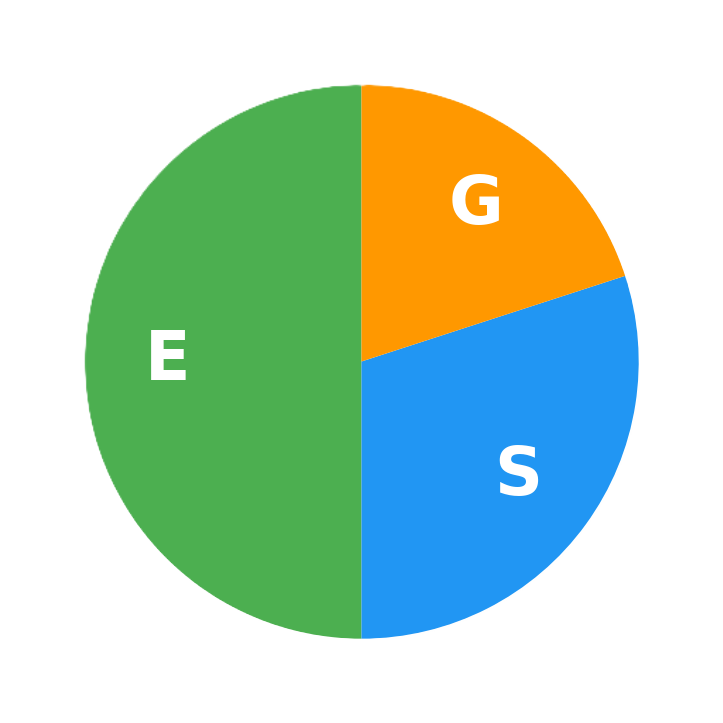
Our Mission
GreenDex helps people choose companies based on environmental social, and governance values. We simplify complex reports, gather data on labor practices, and disclose statistics on generated waste, and more so customers can make an informed choice at checkout.
We also believe in strengthening our community, which is why we will continue to reach out to unique & talented Maine businesses. When we shop local We are putting money back into our economy, giving us more pathways to creation, innovation, and recreation.
If you believe in our mission as much as we do, send us an email about businesses you want to see on the platform!

Our Goals
- Score companies in an efficient, easy-to-digest manner so users can read a score and know a company's practices in seconds.
- Give meaningful pressure to companies that aren't focused on global issues by switching to alternative options.
- Showcase controversy & unearth truth surrounding big businesses and their practices.
- Link shell brands back to their parent companies in order to minimize customer confusion at checkout.
- Uplift businesses that have put in the hard work to make their methods of production align with global standards.
- Promote small businesses to people who are in search of them.
The Technical Process
Our platform is partnered with a research-backed open-source solution called Wikirate. The information you see there is presented in a non-user-friendly view and typically results in hours of manual research. We've taken in that information, normalized the scores, weighted each metric based on significance, and graded every company with the data points provided. We also contribute data back to the platform so none of our information is gatekept or privatized.
- Compile a list of metrics (i.e., GHG emissions).
- Declare thresholds and weights.
- Optimize relevance based on grade confidence and user appeal.
- Update when new information is readily available.

Support Our Vision.
Support the Future.
Get the app now!